
Introduction
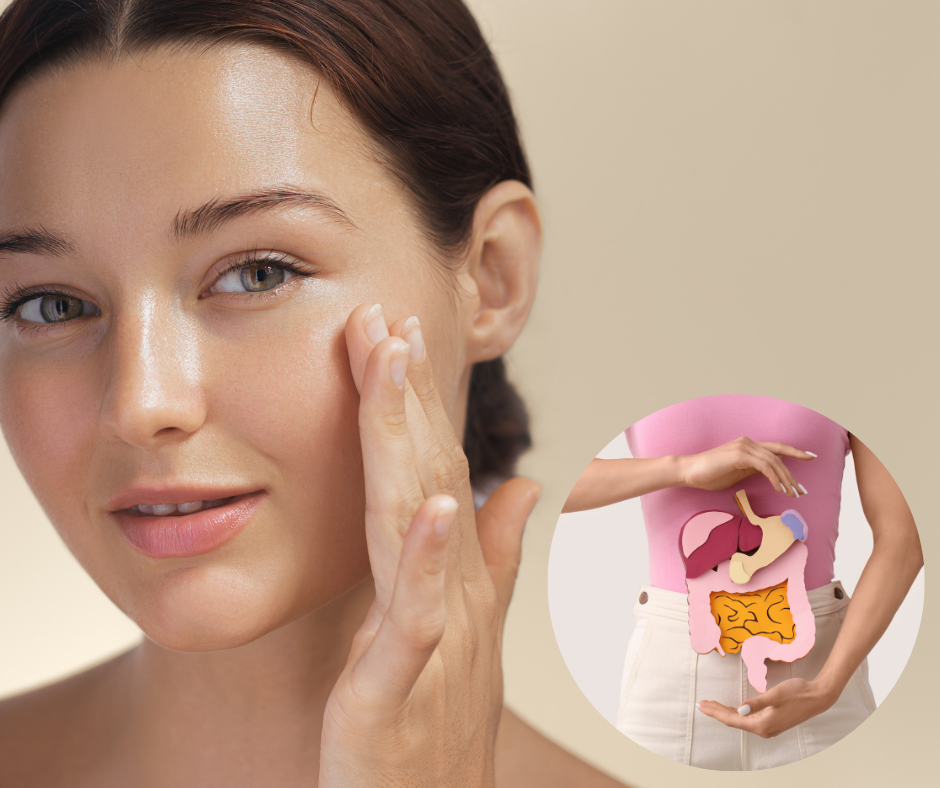
Your skin is more than just your body’s outer layer — it’s a reflection of what’s happening inside. As the largest organ, your skin often reveals the health of your digestive system. Proper digestion supports nutrient absorption and toxin elimination, both essential for clear, hydrated, glowing skin. This article explores how digestion impacts skin health.” We will look at the gut-skin axis — the link between digestion and skin health — and actionable strategies to support both.
The Gut-Skin Axis: What’s the Connection?
When digestion is balanced and the gut microbiome thrives, your skin benefits. But poor digestion or dysbiosis (microbial imbalance) can trigger:
-
- Inflammation that shows up as acne, rashes, or redness
-
- Nutrient deficiencies that affect elasticity and repair
-
- Skin conditions like eczema, acne, or dullness
Stress is a major disruptor of this connection. Chronic stress impairs digestion, increases inflammation, and weakens the gut lining (“leaky gut”). This allows toxins to enter the bloodstream, often showing up on the skin.
How Digestion Impacts Skin Health
1. Nutrient Absorption:
Poor digestion limits absorption of zinc, vitamins A, C, D, and omega-3s — leading to dryness, acne, or premature aging.
2. Microbiome Balance:
Both the gut and skin have diverse microbial ecosystems. When balanced, they reduce inflammation, strengthen immunity, and protect against pathogens.
3. Inflammation Control:
Digestive imbalances elevate systemic inflammation, which often appears as skin flare-ups.
Foods for Healthy Digestion and Radiant Skin
Support both gut and skin by focusing on:
-
- Probiotic-Rich Foods: Yogurt, kimchi, sauerkraut, miso
-
- High-Zinc Foods: Oysters, nuts, seeds
-
- Antioxidant Vegetables & Fruits: Leafy greens, berries, carrots
-
- Healthy Fats: Salmon, avocados, walnuts
-
- Digestive Enzymes from Fruit: Pineapple and papaya
Avoid inflammatory foods like processed sugar, refined carbs, alcohol, and excess caffeine, which disrupt digestion and irritate skin.
Stress Management for Better Digestion & Skin
-
- Mindful Eating: Slow down, chew thoroughly, and avoid distractions.
-
- Diaphragmatic Breathing: Deep breathing activates the parasympathetic (rest-and-digest) system.
-
- Movement: Gentle yoga or walking supports circulation and digestion.
-
- Sleep: Rest allows the gut and skin to repair and restore.
Supplements to Consider
When diet and lifestyle adjustments aren’t enough, targeted support may help:
-
- Probiotics: Balance gut microbiome and reduce inflammation.
-
- Glutamine: Strengthens gut lining, supports skin repair.
-
- Zinc: Enhances wound healing and collagen production.
-
- Digestive Enzymes: Improve nutrient absorption.
(Always consult a healthcare provider before starting supplements.)
Final Thoughts
Healthy skin begins in the gut. By supporting digestion with nourishing foods, mindful practices, and stress management, you can reduce inflammation, improve nutrient absorption, and achieve lasting skin vitality.
At Good Medicine Naturopathic Health Center, we help patients connect the dots between digestion and skin health. Together, we’ll design a tailored plan to help you look and feel your best.
 Call 203-815-7879 or visit GoodMedicineNHC.com to start your journey toward glowing skin and optimal gut health.
References
-
- The Gut-Skin Axis: From Pathogenesis to Therapeutics. Salem, I., Ramser, A., Isham, N., & Ghannoum, M. A. (2018). Frontiers in Microbiology. Retrieved from https://www.frontiersin.org/articles/10.3389/fmicb.2018.01459/full
-
- Role of the Gut Microbiome in Atopic Dermatitis and Psoriasis. Lee, S. Y., Lee, E., Park, Y. M., & Hong, S. J. (2018). Frontiers in Microbiology. Retrieved from https://www.frontiersin.org/articles/10.3389/fmicb.2018.01628/full
-
- Impact of Stress on the Gut and Skin. Bowe, W. P., & Logan, A. C. (2011). Journal of Clinical Investigation. Retrieved from https://www.jci.org/articles/view/59147