
The pineal gland is a small, pea-sized structure located at the center of your brain, but its influence extends far beyond its size. Not only does this fascinating gland play a key role in regulating sleep, but it is also deeply connected to our spiritual and emotional well-being. Understanding how the pineal gland interacts with the body’s detoxification systems, including the glymphatic system, offers an opportunity to optimize brain health and protect it from the negative effects of modern living.
The Pineal Gland: More Than Just a Sleep Regulator
The pineal gland is best known for its role in producing melatonin, the hormone responsible for regulating your sleep-wake cycle. When darkness falls, the retina in the eye signals the pineal gland to release melatonin, preparing your body for rest. This natural rhythm is critical for quality sleep, and melatonin itself is also involved in cellular protection and neuroprotection.
But melatonin does more than help you sleep. It plays an essential role in protecting the brain from oxidative damage and inflammation. Low levels of melatonin have been associated with neurodegenerative disorders such as Alzheimer’s, Parkinson’s, and even autism. It’s clear that melatonin is vital not just for sleep, but for overall health, particularly brain function.
The Pineal Gland’s Vulnerability
Despite its importance, the pineal gland is vulnerable to damage from environmental toxins. Located outside of the blood-brain barrier, it is susceptible to harmful substances like aluminum, fluoride, glyphosate, and mercury, all of which can interfere with melatonin production and disrupt the gland’s function. These environmental toxins are commonly found in household products, food, and even water.
Electromagnetic fields (EMFs) from cell phones, wireless routers, and other devices can also affect the pineal gland, further compromising its ability to produce melatonin and manage stress.
The Glymphatic System: The Brain’s Detox Mechanism
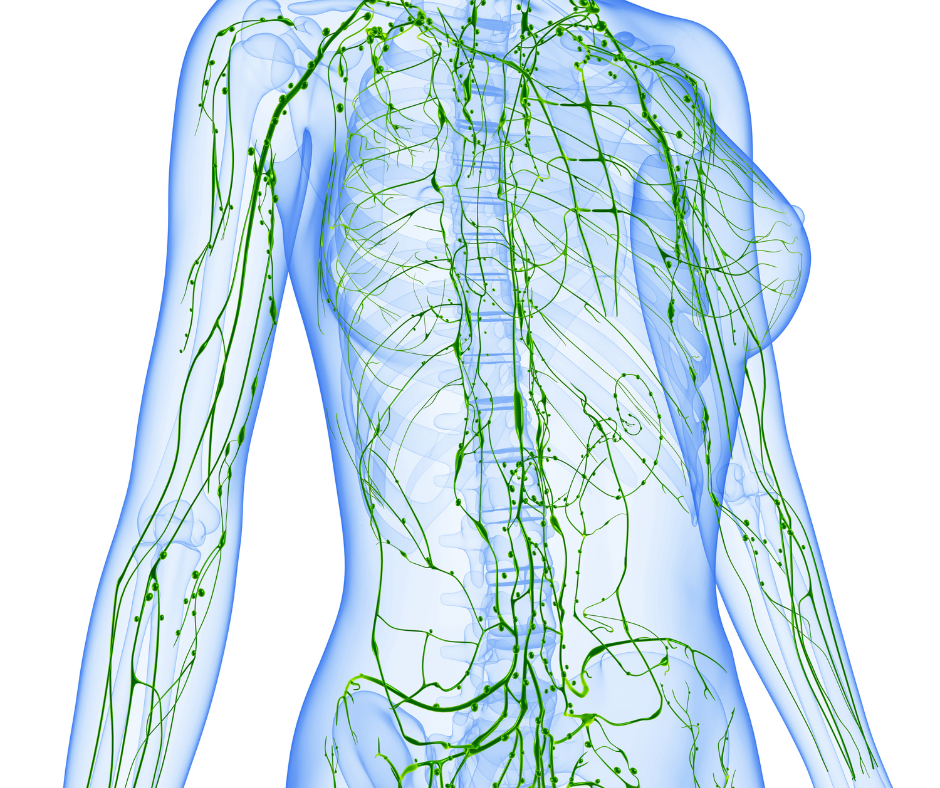
The brain has its own unique detoxification system called the glymphatic system, which works similarly to the body’s lymphatic system. The glymphatic system is responsible for removing waste and toxins from the brain, helping to keep it functioning optimally.
What’s fascinating is that the glymphatic system is ten times more active during sleep. As you rest, your brain cells shrink by about 60 percent, which opens up more space between cells and allows for more efficient toxin removal. This detox process is critical for preventing the buildup of harmful substances, such as beta-amyloid plaques, which are linked to neurodegenerative diseases like Alzheimer’s.
How to Support the Glymphatic System and Protect the Pineal Gland
Prioritize Sleep:
A well-functioning glymphatic system relies on adequate sleep. Address sleep disturbances and aim for 7-9 hours of restful sleep each night to allow your brain to detoxify properly.
Bodywork:
Incorporating bodywork treatments such as craniosacral therapy or manual lymphatic drainage can help stimulate the glymphatic system, particularly in the head and neck region. These therapies can enhance the body’s ability to detoxify and support the pineal gland.
Reduce EMF Exposure:
EMFs disrupt the pineal gland’s function and can interfere with sleep. Minimize EMF exposure by turning off wireless routers and devices at night, avoiding keeping cell phones in the bedroom, and limiting the use of AirPods or holding cell phones close to your head.
Detox Your Environment:
Limit exposure to fluoride, glyphosate, and other toxins that can damage the pineal gland. Choose organic foods to reduce pesticide exposure, and filter your drinking water to remove contaminants. Avoid products containing fluoride, such as certain toothpaste and medications (e.g., Prozac, fluconazole).
Optimize Brain Detox:
Consider targeted detox support for heavy metals and other toxins, particularly if you’re experiencing symptoms of cognitive dysfunction. Speak with your healthcare provider about personalized detox strategies.
Psychosomatic Health:
The body’s ability to detox is often linked to emotional and psychological health. Unprocessed emotions and trauma can hinder detoxification. Engaging in psychoemotional work, such as therapy, meditation, or mindfulness practices, can support overall detox and brain health.
Conclusion
Your pineal gland and the glymphatic system work together to maintain brain health, regulate sleep, and protect against toxins. Taking proactive steps to support these systems is crucial for overall wellness, especially as we face increased environmental stressors. By prioritizing sleep, reducing toxic exposures, and incorporating detox strategies, you can help protect your pineal gland, enhance brain function, and improve your overall health.
If you’re ready to explore holistic ways to support your brain health and detoxification, I invite you to schedule a consultation. Together, we can create a plan that nurtures your body, mind, and spirit.
References:
Pineal Gland and Melatonin. National Institutes of Health.
Fluorinated Pharmaceuticals. Source: Fluoride Action Network.
Toxicity of Non-Stick Cookware. Fluoride Action Network.
The Pineal Gland and Its Functions. Wikipedia.
Aluminum, Glyphosate, and Pineal Gland. Source: One Cell One Light Radio.
Glymphatic System and Its Role in Brain Health. PubMed.