
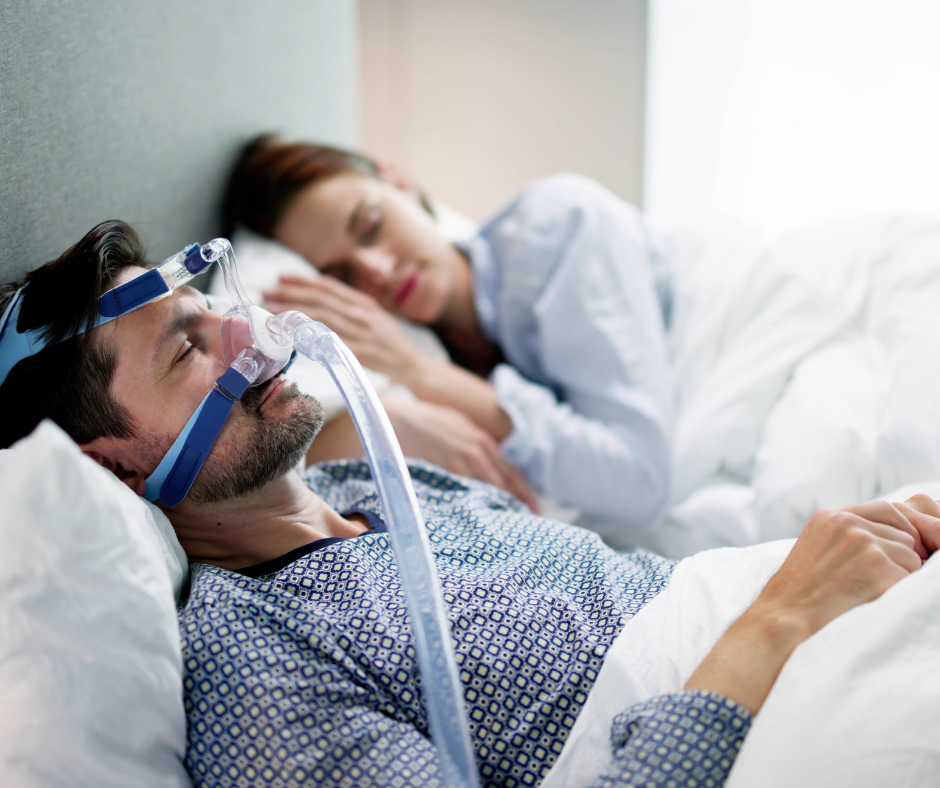
Have you ever wondered why, despite following a strict SIBO protocol or taking all the right enzymes, your bloating just won’t budge? Or maybe you wake up every morning feeling like you haven’t slept a wink, plagued by a dry mouth and a “stuck” feeling in your digestive tract. We usually think of sleep apnea as a snoring problem, a “loud breathing” issue for the sleep lab. But in my clinical practice at Good Medicine Naturopathic Health Center, I’ve found that the gut and the airway are more like roommates than strangers.
If you are struggling with chronic digestive issues, it is time to look at sleep apnea and gut health as a combined unit. When your breathing pauses at night, it sends a shockwave through your nervous system that hits your gut directly. You simply cannot heal your intestinal lining or balance your microbiome if your body is fighting for air every twenty minutes. Let’s explore why your airway might be the “secret sabotage” behind your gut health goals.
Understanding Sleep Apnea Beyond the Snore
Sleep apnea occurs when your breathing repeatedly stops or becomes dangerously shallow during the night. The most common type, Obstructive Sleep Apnea (OSA), happens when the muscles in the back of your throat relax too much, causing your airway to collapse. Your brain, sensing the drop in oxygen, triggers a “survival jolt” to wake you up just enough to take a breath.
This can happen dozens of times per hour. Most people don’t even remember these “micro-wakings,” but their nervous system certainly does. Each time you stop breathing, your body enters a full-blown “fight or flight” emergency. This constant toggling between sleep and survival prevents you from ever reaching the deep, restorative stages of rest where gut tissue repair actually happens.
Chronic Nighttime Stress and the Death of Digestive Motility
Your gut has a very specific cleaning rhythm called the Migrating Motor Complex (MMC). This “housekeeping wave” is supposed to sweep out bacteria and food scraps while you sleep. However, the MMC is incredibly sensitive to stress.
Every time a sleep apnea event occurs, your body dumps cortisol and adrenaline into your bloodstream. This tells your gut to freeze. Blood flow is diverted away from your stomach to your heart and muscles. When this happens fifty times a night, your motility effectively shuts down. This leads to stagnation, gas, and that “heavy” feeling in the morning. If you’re asking why your SIBO keeps returning, the answer might be that your nighttime “breathing emergencies” are keeping your gut from ever cleaning itself.
How Oxygen Deprivation Fuels Systemic Inflammation
Sleep apnea isn’t just a mechanical problem; it’s a chemical one. Intermittent hypoxia (periodic drops in oxygen) triggers the release of inflammatory molecules called cytokines. This creates a state of systemic oxidative stress that acts like a slow-burning fire in your body.
This inflammation doesn’t stay in your lungs. It travels through your blood and weakens the “tight junctions” of your intestinal wall, leading to what we commonly call leaky gut. When your gut barrier is leaky, food sensitivities skyrocket, and bloating becomes a constant companion. At Good Medicine, we often find that “unresponsive” gut cases finally start to move once we address the inflammatory fire being lit by nighttime breathing issues.
The Blood Sugar Seesaw and Midnight Anxiety
One of the most frustrating symptoms of sleep apnea is waking up between 2:00 AM and 4:00 AM feeling “wired” or anxious. This is often a blood sugar rescue mission. When your oxygen drops during an apnea event, your body releases cortisol to help stabilize the system.
Cortisol’s side job is to raise blood sugar. These sudden surges in glucose and insulin sensitivity changes can lead to nighttime blood sugar instability. Your brain wakes you up because it feels the “emergency” chemicals, and suddenly you’re spiraling about your to-do list. This metabolic chaos is a primary reason why sleep apnea and gut health problems often coexist with weight gain and stubborn midsection bloating.
Sleep Apnea Can Actually Change Your Microbiome
Emerging research is showing that the lack of oxygen and the constant “stress jolts” of sleep apnea can actually shift the types of bacteria living in your gut. These shifts often favor inflammatory species and methane-producing microbes, the very ones associated with chronic constipation and SIBO.
Your microbiome has its own circadian rhythm. It expects a period of rest and low inflammation to thrive. When sleep apnea disrupts that rhythm, your “good” bugs decline and your “bad” bugs take over. This creates a self-perpetuating cycle: poor breathing leads to poor gut bacteria, and poor gut bacteria leads to more systemic inflammation.
Signs You Might Be Missing a Sleep Apnea Connection
You don’t have to be a middle-aged man who snores like a freight train to have sleep apnea. In women, especially those in perimenopause, apnea can show up as:
- Unrefreshing sleep: You sleep 8 hours but feel like you’ve been hit by a truck.
- Morning headaches: A classic sign of low nighttime oxygen.
- Dry mouth: Often caused by mouth breathing when the airway is restricted.
- Nocturnal Reflux: If you’re waking up with acid in your throat, the “suction” created by gasping for air might be pulling stomach acid into your esophagus.
- Night Sweats: A common sign of the “adrenaline jolts” during apnea events.
Why Your Gut Protocols Might Be Stalling
If you have untreated sleep apnea, your body is in a state of “biological debt.” It is so busy trying to manage the stress of not breathing that it has no energy left for things like healing an ulcer, clearing a bacterial overgrowth, or balancing hormones.
This is why many people “fail” SIBO treatments or find that their IBS doesn’t respond to the most perfect diet. You are trying to rebuild a house (your gut) while a hurricane (the apnea) is blowing through the windows every night. By addressing the airway, we “close the windows,” allowing your gut-focused interventions to finally take hold.
How We Evaluate and Support the Airway-Gut Axis
Getting clarity on your breathing doesn’t always require a night in a scary sleep lab with fifty wires attached to your head. Modern home sleep testing has come a long way. Once we identify an issue, the “Good Medicine” approach involves:
- Airway Evaluation: Looking at nasal breathing, tongue posture, and jaw mechanics.
- Inflammation Reduction: Cooling the systemic fire so the airway tissues are less swollen.
- Nervous System Toning: Using vagal exercises to help the body shift back into “Rest and Digest” mode.
- Positional Support: Simple changes in how you sleep can sometimes reduce the number of apnea events.
Final Words
Healing is not a linear process. Sometimes the reason your gut isn’t getting better has nothing to do with what’s in your stomach and everything to do with how you breathe. Sleep apnea and gut health are two sides of the same coin. By honoring your body’s need for oxygen and safety during the night, you unlock a level of healing that a diet alone could never achieve. Your gut needs you to breathe so it can finally rest.
Frequently Asked Questions (FAQs)
Can sleep apnea cause GERD and Acid Reflux
Yes, frequently! When your airway collapses, your chest creates a “vacuum” effect as it tries to pull in air. This negative pressure can literally suck stomach acid up into your esophagus. If your reflux is worse at night or you wake up choking, the airway should be your first point of investigation.
I’m thin and I don’t snore. Can I still have sleep apnea?
Absolutely. This is called “UARS” (Upper Airway Resistance Syndrome) or “lean” apnea. It’s often caused by a narrow palate or a tongue that falls back during sleep. You might not snore, but your body is still working incredibly hard to breathe, leading to the same gut and stress issues.
Will fixing my sleep apnea cure my SIBO
While it might not “cure” it instantly, it often provides the missing foundation. Without proper sleep and oxygen, your gut motility (the MMC) stays broken. Once you fix the breathing, your prokinetics and antimicrobials can finally do their job effectively without you relapsing.