
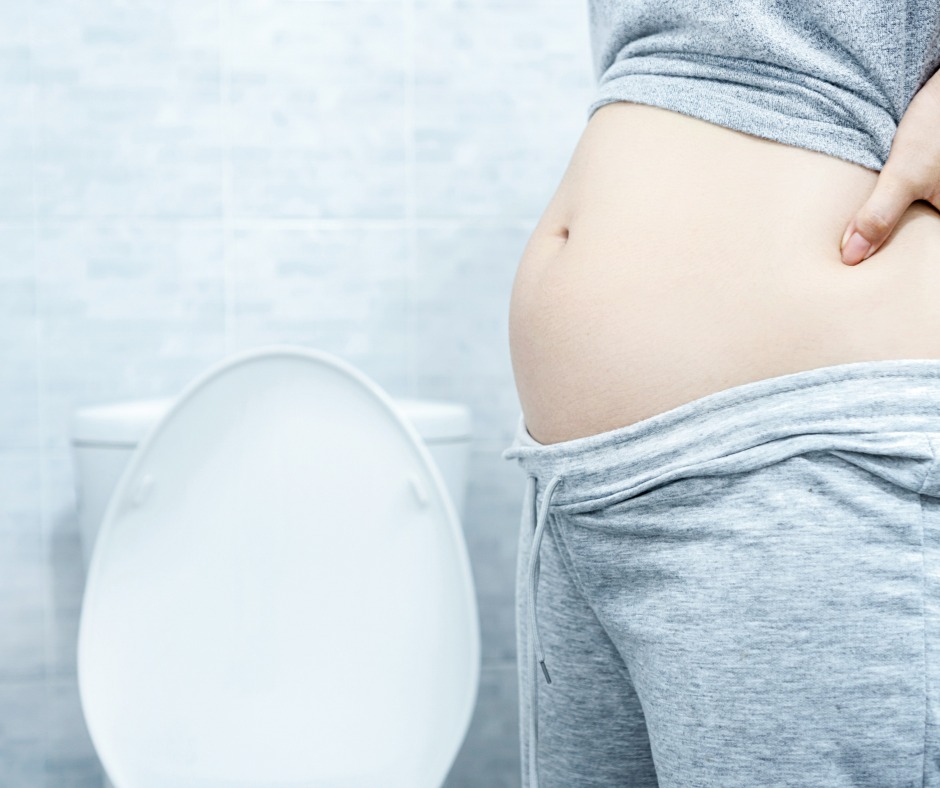
Have you spent months, maybe even years, chasing a SIBO diagnosis? You’ve likely seen the viral TikToks of bloat transformations, read the endless Reddit forums, and now you’re convinced that Small Intestinal Bacterial Overgrowth is the reason your jeans feel like a torture device by 4:00 PM.
Perhaps you’ve even completed a round of antibiotics or herbal antimicrobials, only to find that two weeks later, the food baby has returned with a vengeance.
At Good Medicine Naturopathic Health Center, we see this cycle of frustration every single day. SIBO has become the catch-all explanation for every digestive woe from nausea to constipation.
But here is the hard truth. Not everyone with SIBO symptoms actually has SIBO. And even more importantly, for those who do have it, the bacteria are often just a symptom of a much deeper, messier issue.
If you keep trying to kill the bugs without fixing the environment, you’re just treading water. Let’s dig into the actual SIBO symptoms and root causes to understand why your gut is really struggling.
What Is SIBO and Why Is It the Internet’s Favorite Villain?
To understand why your treatment might be failing, we have to look at what SIBO actually is. Ideally, your small intestine is a relatively quiet, low-population neighborhood.
SIBO happens when the crowd from the large intestine moves upstairs, fermenting your food prematurely and creating gas, pain, and malabsorption.
It’s the internet’s favorite villain because it feels simple. “I have too many bacteria, I need to kill them.”
But the human body isn’t a math equation. If your breath tests are wildly inconsistent or your symptoms keep returning, it’s time to widen the lens. We need to stop looking at the bacteria and start looking at the why.
Low Digestive Capacity: The Upstream Problem
This is, by far, the most overlooked driver of SIBO symptoms and root causes. Think of your digestive tract like a massive assembly line.
If the workers at the beginning of the line, your stomach and gallbladder, aren’t doing their job, the workers further down get overwhelmed.
If you have low stomach acid (hypochlorhydria) or poor enzyme output, you aren’t fully breaking down your lunch. Those large, undigested food particles hit your small intestine and start to rot.
This creates gas and pressure 30 to 60 minutes after eating. In this case, the problem isn’t bad bacteria. It’s that you’ve given your normal bacteria a feast they weren’t supposed to have.
The fix isn’t an antibiotic. It’s supporting your upstream digestion.
The MMC and Why Your Gut Movement Matters More Than Bacteria
The Migrating Motor Complex (MMC) is your gut’s interstitial housekeeper. Between meals, it sends electrical waves through your intestines to sweep out debris and excess bacteria.
If this broom isn’t working, food and microbes stagnate.
Many people are told they have SIBO when they actually have a motility disorder. You feel plugged, backed up, and constantly distended.
Here’s the kicker. The MMC will never activate if your nervous system is stuck in a stress response. If you are eating on the run or living in fight or flight, your housekeeper has gone on strike.
This is why SIBO relapses so often. People kill the bacteria but never fix the broom.
Food Intolerance vs Infection: Know the Difference
We live in a world where intolerance and infection get used interchangeably, but they are worlds apart.
Certain foods like onions, garlic, or beans are high in FODMAPs, which are fermentable by nature.
If you have a history of antibiotic use or a sluggish gut, you might simply lack the physiological hardware to process these foods efficiently right now.
This can produce immediate bloating that mimics a SIBO flare perfectly. But remember, intolerance does not equal infection.
Sometimes your gut just needs structural support and a break from certain triggers, not a kill protocol that may further damage your microbiome.
The Hormonal Bloom: Why Women Experience SIBO Cycles
Ladies, have you noticed your bloating peaks exactly seven days before your period? Or maybe your digestive issues appeared out of nowhere the moment you hit perimenopause?
Estrogen and progesterone receptors live all throughout your GI tract. These hormones dictate how fast food moves, how much bile you flow, and how sensitive your gut feels to pressure.
If your symptoms follow your cycle, you aren’t dealing with a bacterial invasion. You’re dealing with hormone-gut crosstalk.
If we only treat the gut, we miss the driver pulling the strings.
The Nervous System Is the Flare: Vagal Tone and Bloating
When you are stressed, your Vagus nerve, the superhighway of rest and digest, goes offline.
This causes your abdominal fascia to tighten, your stomach acid to drop, and your visceral sensitivity to skyrocket.
Suddenly, even a normal amount of gas feels like a balloon inflating inside you.
If your bloating worsens when life gets busy or sleep gets spotty, your bacteria aren’t the primary problem. Your nervous system is.
We have to teach your body it’s safe to digest again.
Structural Barriers and Biomechanical Issues
Sometimes the issue is literally mechanical.
If you’ve had a C-section, an appendectomy, or suffer from endometriosis, you likely have adhesions or scar tissue.
These physical restrictions can kink the hose of your small intestine, slowing transit and causing food to get stuck.
You might feel one-sided distention or a sensation that things get stuck in a specific area.
No amount of herbal antimicrobials can kill scar tissue. This requires a biomechanical approach, such as visceral manipulation, to restore flow.
The Stealth Disruptor: Mold and Mycotoxins
For the refractory cases, those who have tried every SIBO diet and supplement under the sun and still feel terrible, we have to look at the environment.
Mold and mycotoxins are stealthy motility killers. They disrupt the immune system and impair the way your body clears histamines and flows bile.
If you are living or working in a damp environment, your gut will remain in a state of chronic inflammation.
Often, once we address the mold, the SIBO clears up on its own because the body’s natural defenses can finally come back online.
Why Breath Testing Isn’t a Magic Wand
Many people cling to SIBO breath tests like they are the ultimate truth. But breath tests can be notoriously finicky.
They can yield false positives or negatives based on what you ate the night before or how fast your transit is.
At Good Medicine, we believe in functional testing combined with clinical interpretation. We look at:
- Stool markers, are you digesting fats and is inflammation present?
- GI-MAP findings, the balance of good versus bad bacteria
- Nutrient patterns, including B12 and iron absorption
- The clinical story, when symptoms occur and what improves them
FAQs About Bloating and SIBO
Can I have SIBO and a motility issue at the same time?
Yes. They usually go hand in hand. A motility issue is often the why behind SIBO. If you don’t fix motility, the bacteria will simply move back in.
Is the Low FODMAP diet a cure for SIBO?
No. It is a management tool to reduce symptoms by starving the bacteria. It does not kill the overgrowth or fix the underlying cause.
How do I know if my bloating is hormonal?
Track your symptoms for two months. If bloating peaks during ovulation or the week before your period, hormones are likely a primary driver.
Final Words
Healing your gut is about more than playing Whac-A-Mole with bacteria. If you’ve been stuck in the SIBO loop, take a deep breath. Your body isn’t failing you. It’s communicating with you. When we stop obsessing over the overgrowth and start looking at the full spectrum of SIBO symptoms and root causes, motility, nervous system regulation, hormones, and digestive capacity, the path forward becomes clear. Real, sustainable progress happens when we treat the whole person, not just a lab result.